Disaggregating the RAN: Everything You Need to Know About Open RAN and Optical Transceivers
Much of the discussion around HFC architectures has historically emphasized upgrades to downstream bandwidth from an MSO’s headend to the consumer.

Much of the discussion around HFC architectures has historically emphasized upgrades to downstream bandwidth from an MSO’s headend to the consumer.
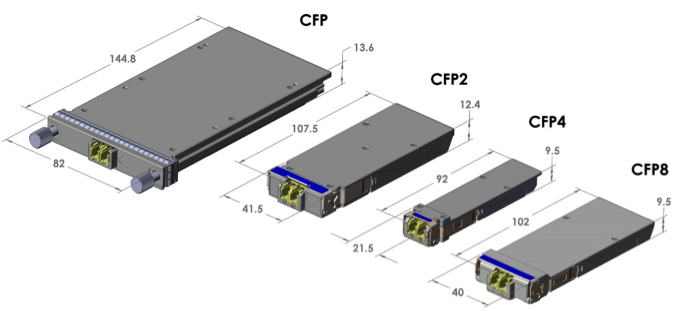
The next generation of optical transceivers is on its way, which bodes well for the growing need to accommodate large-bandwidth applications demanding high throughput and low latency.
Much of the discussion around HFC architectures has historically emphasized upgrades to downstream bandwidth from an MSO’s headend to the consumer.
Much of the discussion around HFC architectures has historically emphasized upgrades to downstream bandwidth from an MSO’s headend to the consumer.

Networks need to be faster and more capable of handling vast amounts of data than ever before.

Introduction Building the next generation of highly reliable, low-latency optical network infrastructure requires a diverse supply of specialized fiber assets. With network operators under pressure

Introduction 5G is paving the way for the next generation of Internet of Things (IoT) innovation. Highly anticipated technologies including autonomous vehicles, delivery drones,

Introduction Consumer and enterprise demand for faster speeds and higher bandwidth may have surged in 2020, but the shift was always on the agenda. Increased

Introduction One of the best ways to push past limitations is to find new paths where limits no longer apply. Such is the case with
Currently, two form factors make 400G possible – QSFP-DD and OSFP. Learn the differences in our infographic.